Advocate Impact: Pat Bowlin
January CASA Advocate Spotlight
Written By: Pat's Advocate Supervisor

Pat Bowlin has been an Advocate with CASA for almost four years. She graduated from advocate training in May 2015, and eagerly signed onto her first case. Pat saw her first case through permanency while I was not yet her Supervisor, as I began working for this CASA program in Oct. 2016. I had heard from the previous supervisor that Pat was an excellent Advocate, so I called her up and asked if she was ready to take on a new case. Pat had taken some time off and stated she was ready to start speaking on behalf of children again. She chose two cases and is currently advocating for seven children altogether. The case I would like to highlight is a case with four children, two boys and two girls, ranging in ages from 3 to 13. The case started almost two years ago and is still open today!
Once Pat was sure the placements were a good fit for the children and they would be protective of them, even from unsupervised contact with their mother, she advocated for permanent placement with the adult siblings.
The children on this case came into CPS custody as a result of neglect, drug use and mental health concerns for the mother. The family has a long history with CPS and the children’s father is currently incarcerated. The children were first placed with their grandparents but after only a few weeks, the grandparents stated they could no longer care for them. The oldest child on the case was then placed at an RTC where he received trauma-based therapy to address issues of sexual abuse as a perpetrator. After trying to work with mom to get her the help she needed, she continued to test positive for illegal substances and was not addressing her mental illness. Mom was not consistent with visiting the children and this was affecting them negatively. She mentioned she had two older children who are now adults that might be able to take the children. After contacting them, they decided they would like to care for their younger siblings long-term. The girls were placed with one of the older siblings and the boys with the other. Pat visited often, providing guidance while ensuring the children were in a safe and loving environment. She checked in with mom occasionally to see how she was progressing as well. Ultimately, mom became pregnant again, and agreed that the best place for the children would be with their siblings. Once Pat was sure the placements were a good fit for the children and they would be protective of them, even from unsupervised contact with their mother, she advocated for permanent placement with the adult siblings. She was in agreement with all parties to have the older siblings become licensed to foster, so they could receive financial assistance and better provide for the children.

While it has taken one of the caretakers longer to become licensed due to personal issues, Pat constantly encourages her to not give up. Pat’s kind and loving nature has allowed her to establish a bond with the family. They know she genuinely cares and is concerned for their safety and well-being. Pat has been a strong support to this family; making life-changing impacts on this case. She takes the children on outings and assists at times with sibling visits, ensuring the children maintain a family connection.
Not only does Pat communicate with the children’s teachers, therapists, and the caseworker to ensure she is made aware of any issues or concerns, she also celebrates the progress the children make. Pat is continually looking for resources in the community to help the families out. Furthermore, anytime she has a question or concern, Pat will call me or the caseworker to try to resolve an issue or find the best solution to the situation. She is not afraid to speak up in court on the children’s behalf and has strongly voiced her opinion to all parties on the case over what she believes to be in the children’s best interest. In addition, Pat supports CASA’s vision and mission, inviting and recruiting friends and others in her community to learn more about CASA so they too can step up and speak on behalf of abused and neglected children.
Pat has been a strong support to this family; making life-changing impacts on this case. She takes the children on outings and assists at times with sibling visits, ensuring the children maintain a family connection.
Although the children in this case are not being reunited with their mother, they have achieved permanency with their adult siblings. It was decided through a court mediation that the adult siblings will have permanent custody of the children. Their mother was able to maintain possessory rights to her children and will be able to have contact with them under their caretaker’s supervision and protection. Pat has been a great blessing not only to this family, but to all the families she has advocated for. She has the perfect balance of compassion and courage. She is a mama bear when it comes to her CASA children. I am grateful for all she has done, not only for the children, but for me as her supervisor. Pat always keeps me informed of her cases, exceeds CASA’s minimum expectations as an Advocate, and attends trainings, meetings and cultivations regularly. Pat is a true example of an exemplary Advocate!

In April 2023, Child Protective Services received a referral reporting that two sisters, ages 15 and 16, were being held at the Bexar County Juvenile Detention Center following a family altercation. Mother informed the department that she did not have a place for the girls to be released, and they were subsequently placed in an emergency shelter. Mother was asked if she would attend the court hearing and stated that she would not. Although both sisters were released to Mother from the Bexar County Juvenile Detention Center, Mother refused to pick them up. There were no relatives or family friends willing to provide placement for the girls, and Mother stated that she wanted to voluntarily sign over her parental rights. Stephanie was assigned as the CASA Staff Advocate in May 2025. By this time, both sisters had experienced multiple placements. The older sister was 18 years old, enrolled in College Docket, and preparing to graduate from high school. The younger sister was 17 years old and residing at the Bexar County Juvenile Detention Center. Although the sisters were on different paths, they remained emotionally connected and struggled with maintaining contact due to their circumstances. CASA attended the older sister’s high school graduation and the graduation celebration that followed. CASA assisted her with completing all required paperwork and testing necessary for college enrollment. Additionally, CASA supported her in moving into her first apartment, helping her get settled and navigate the challenges of early adulthood. While the younger sister was residing at the Bexar County Juvenile Detention Center, CASA met with her shortly after assignment and introduced herself. The younger sister was later transferred to the Texas Juvenile Justice Department (TJJD). CASA continued to maintain contact despite challenges related to TJJD policies and procedures. CASA established a positive and consistent point of contact, worked to understand TJJD visitation processes, gathered relevant information, maintained communication with the youth, and actively worked to schedule sibling visitation. CASA has remained a consistent and reliable support system for the older sister as she transitions into adulthood. The youth frequently contacts CASA for guidance and assistance with everyday questions, and CASA continues to provide support. The older sister is currently passing all of her college courses, earning straight A’s, and is actively seeking employment. For the younger sister, CASA remains in close communication with TJJD case managers. CASA provides ongoing support through in-person visits every three months and monthly video calls. CASA is also gathering clothing, legal documentation, and preparing a comprehensive resource packet to support the younger sister upon her release. Through every challenge this case brings, Stephanie will stand beside these sisters, offering unwavering support and encouragement as they discover their strength and reach their full potential.
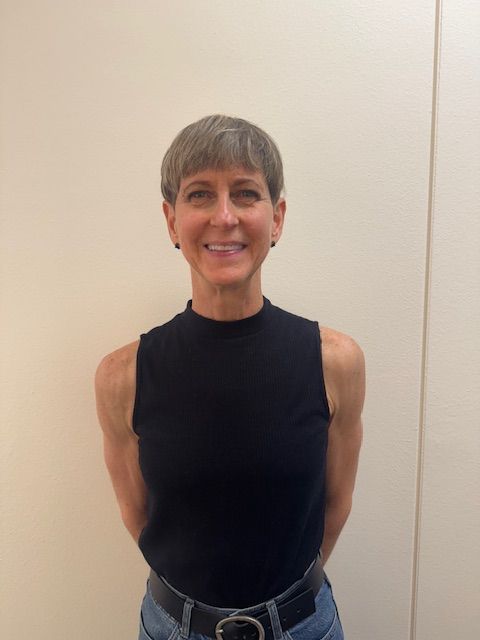
Joy Varner